The Power of Youth Agriculture Organizations: Launching Pads for Life
- Jan 25, 2025
- 6 min read
When you think about agriculture, your mind might go straight to the science and practice of farming—cultivating soil, growing crops, and raising animals to provide food, wool, and other products. But agriculture is more than farming; it’s a foundation for life skills, personal development, and community building. Organizations like 4-H, FFA, and FCCLA are more than extracurricular activities; they are launching pads for raising well-rounded, capable, and constructive members of society. As a family active in these organizations, we see firsthand how they teach more than just agriculture. They instill values and skills that set kids up for success in every aspect of life, even if that child has special needs. Agriculture and these organizations are where everybody and anybody can succeed.
Life Skills Beyond the Barn
Youth agriculture organizations teach kids how to care for animals and grow crops, but that’s just the beginning. These programs are designed to shape character, develop leadership skills, and instill a strong work ethic. They teach children how to dress appropriately for different occasions, shake hands with confidence, and look people in the eye—all essential skills for building strong personal and professional relationships.
By studying their projects inside and out, kids learn the value of applying themselves. Whether they’re researching the nutritional needs of a steer or preparing a presentation on robotics, they’re learning how to dive deep into a subject, connect the dots, and build on their knowledge. This mindset of thorough preparation and continuous improvement becomes a habit that serves them well in all areas of life.
The Beef Cattle Project: A Lesson in Hard Work and Dedication
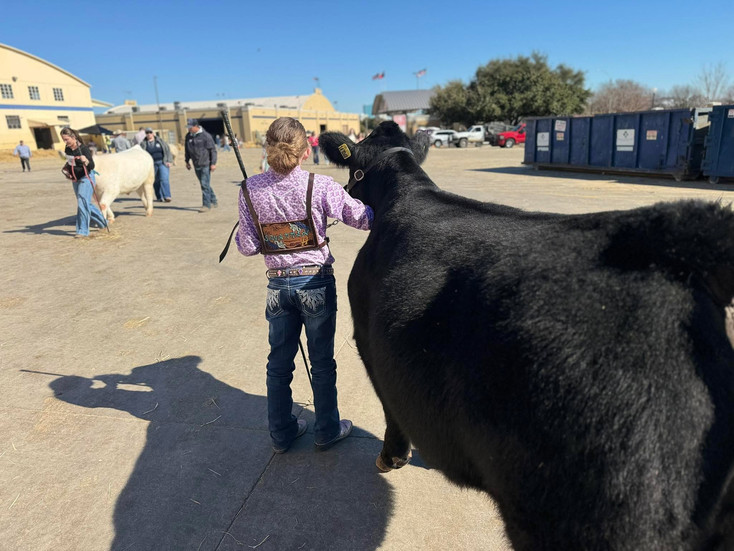
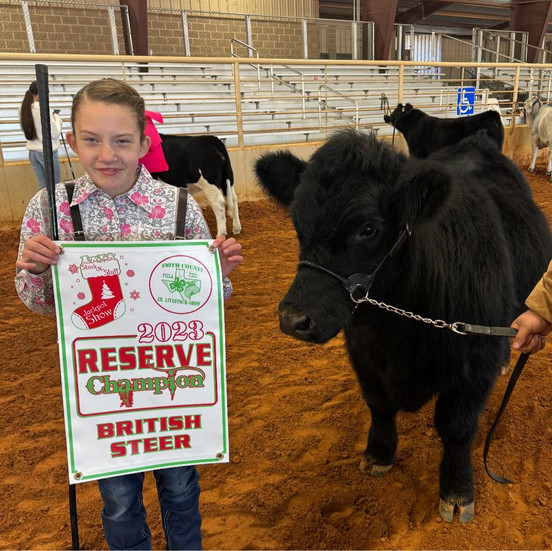
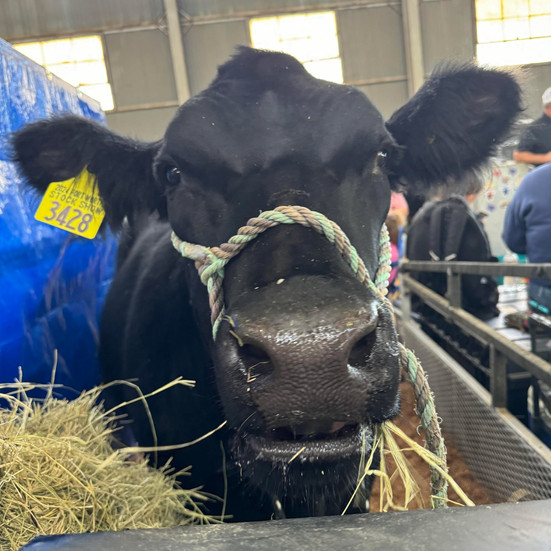
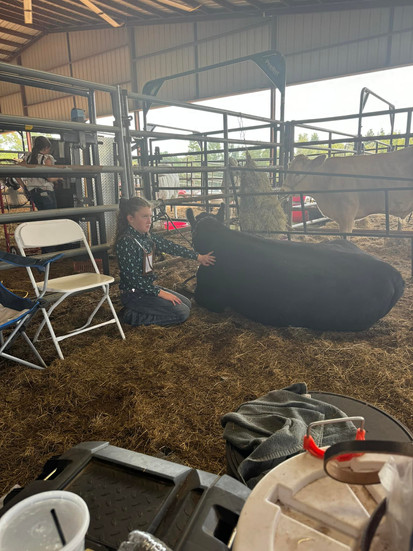
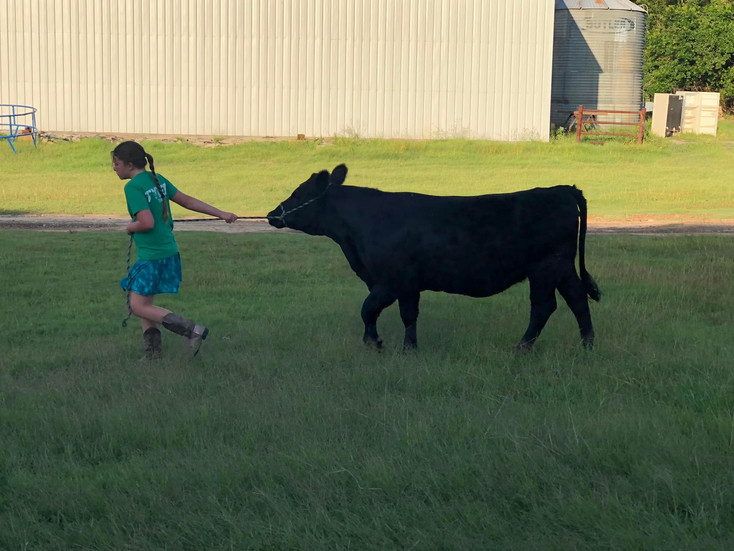
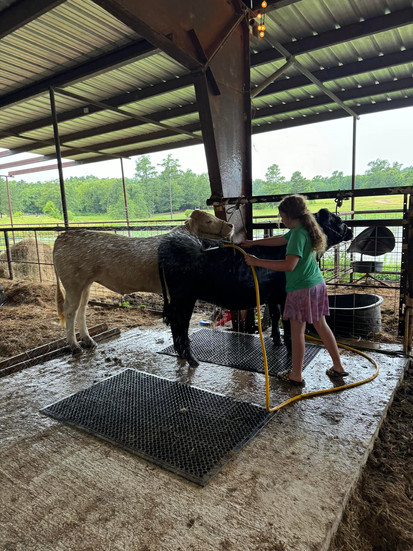
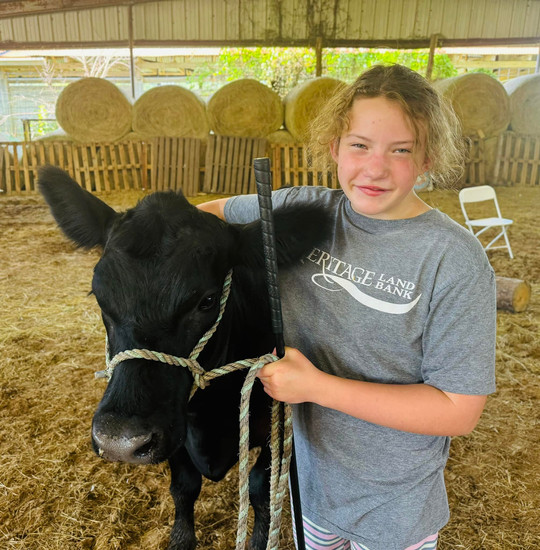
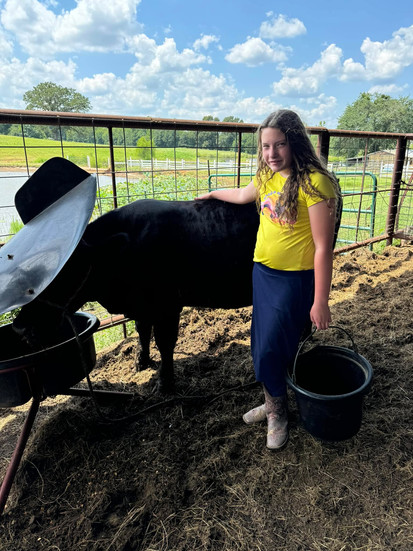
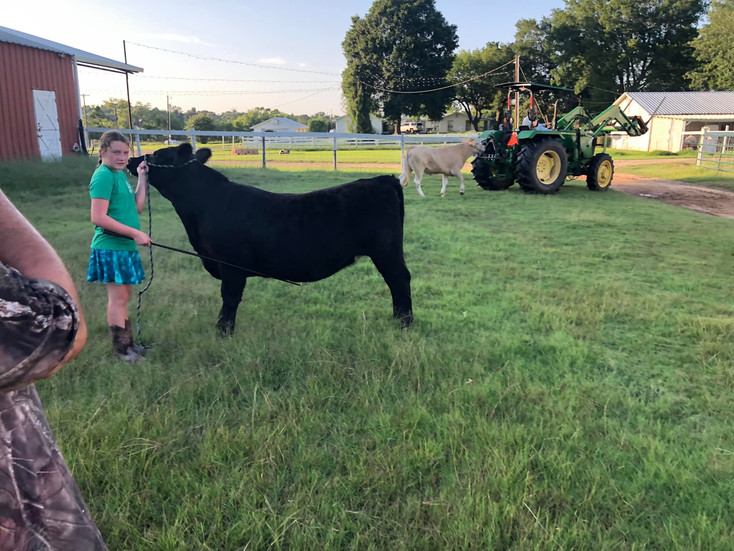
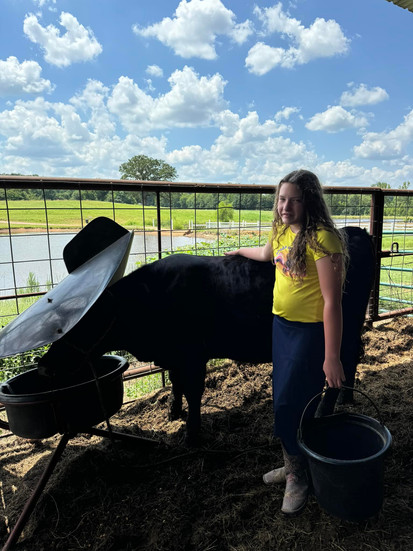
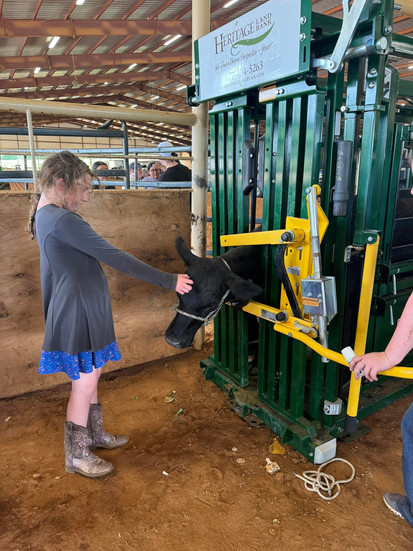
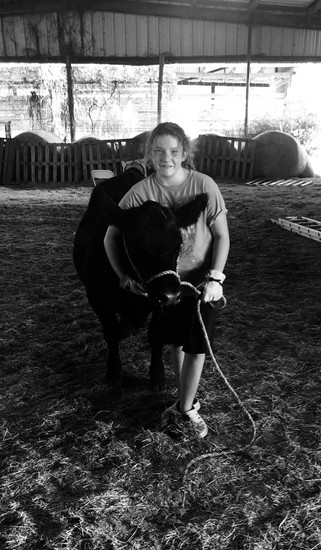
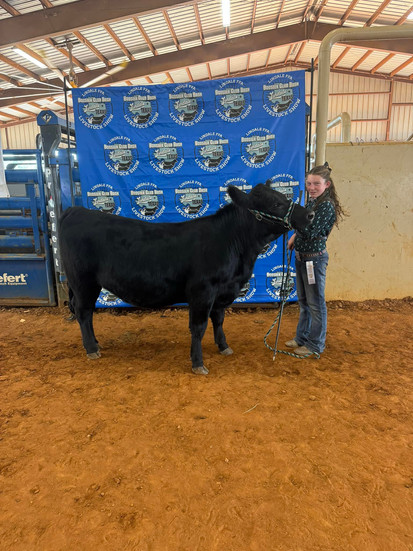
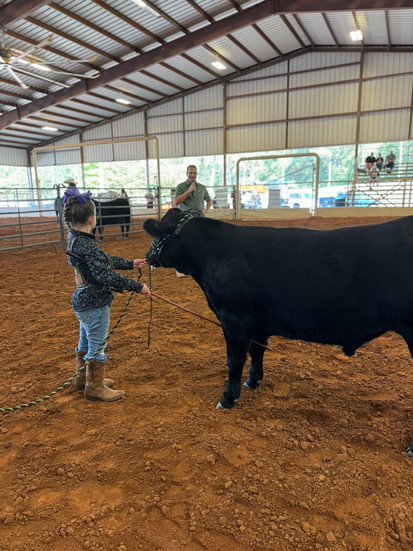
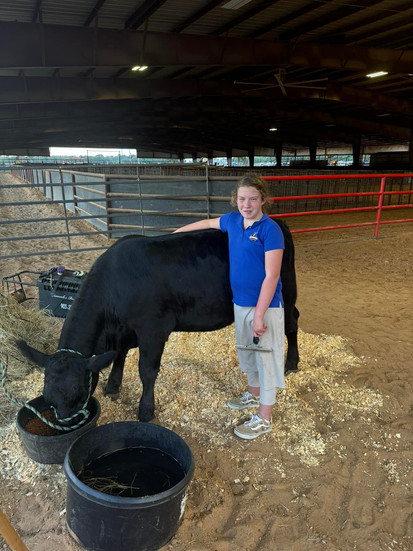
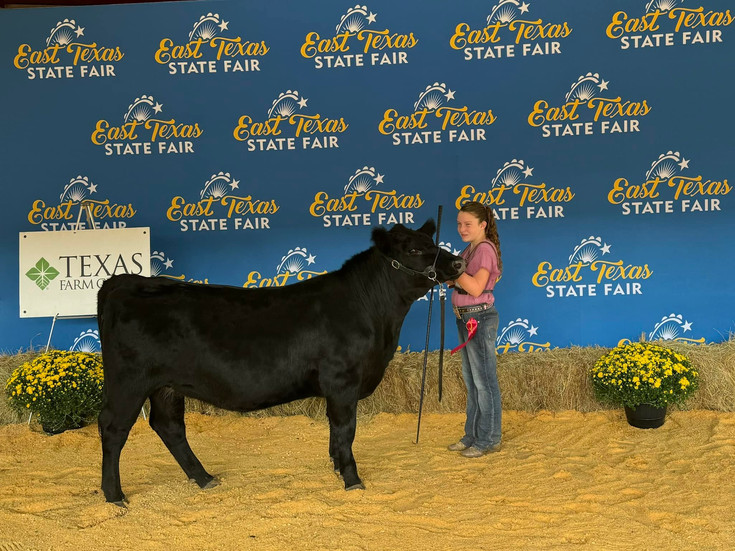
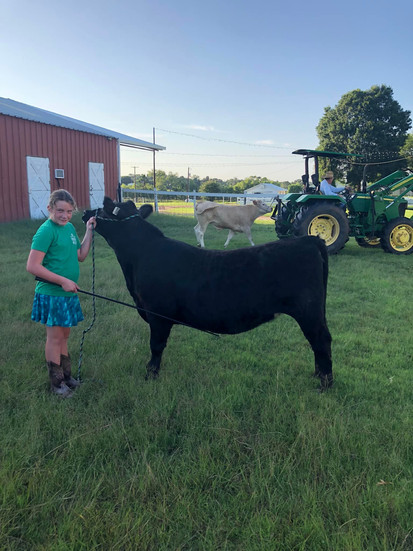
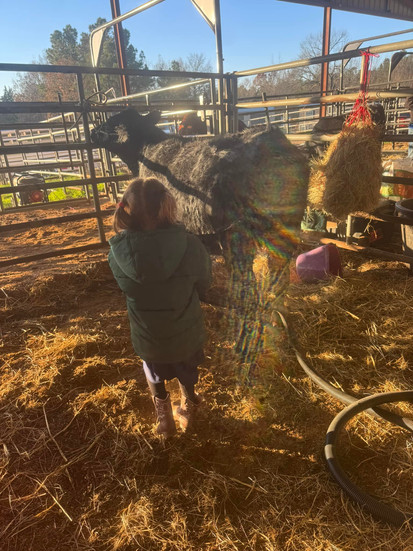
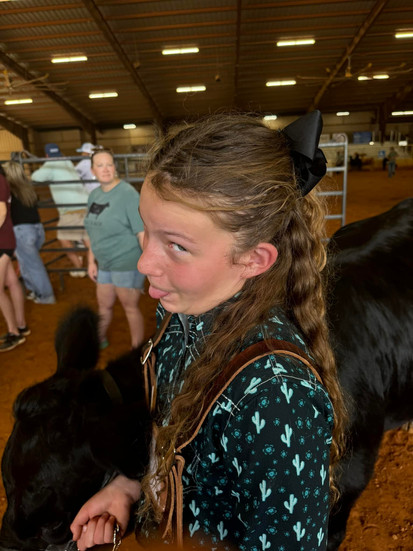
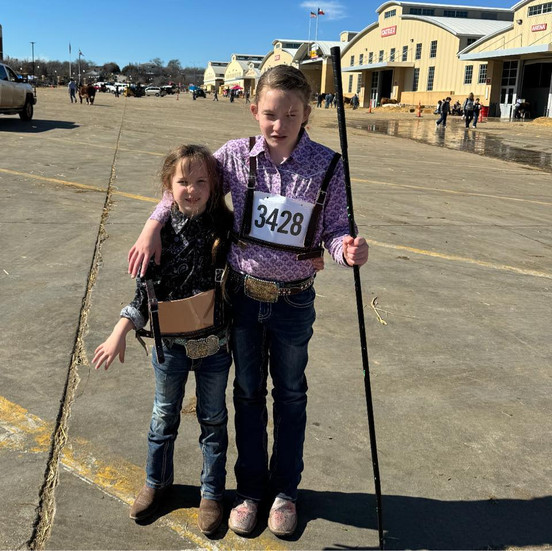
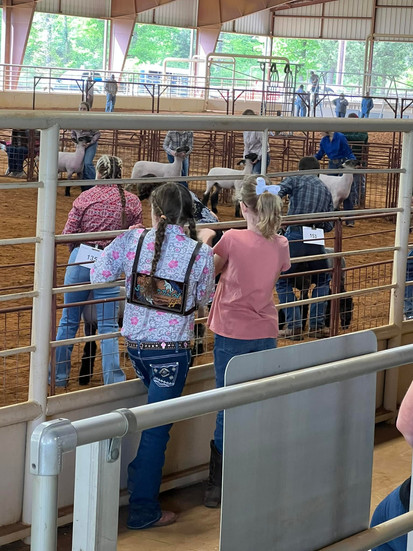
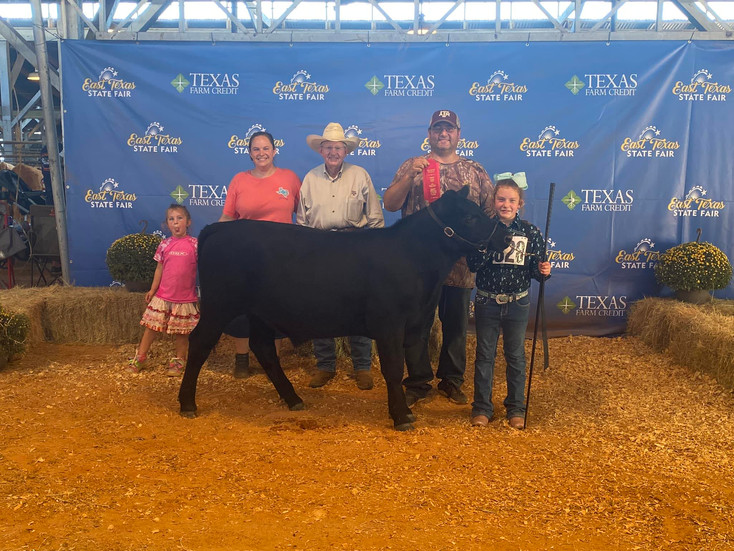
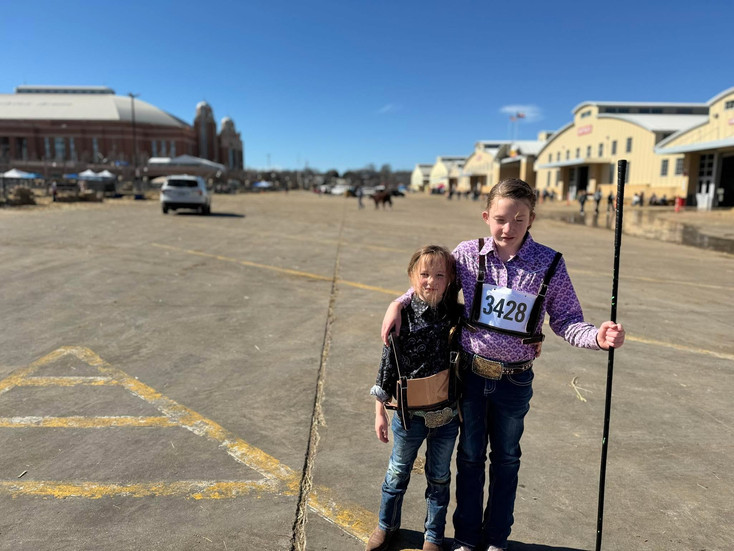
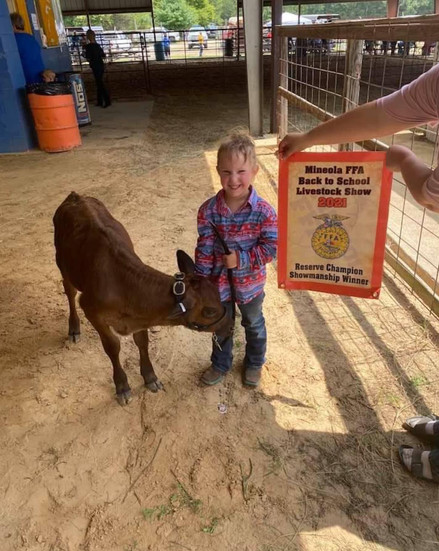
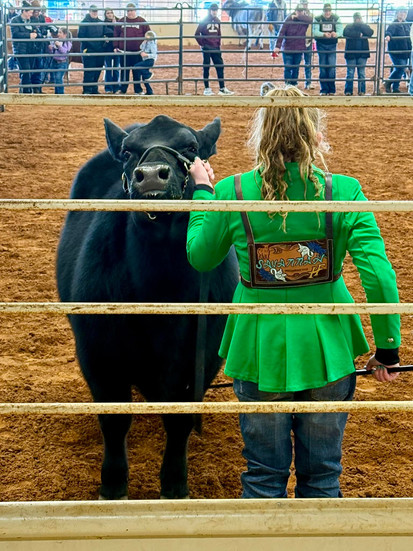
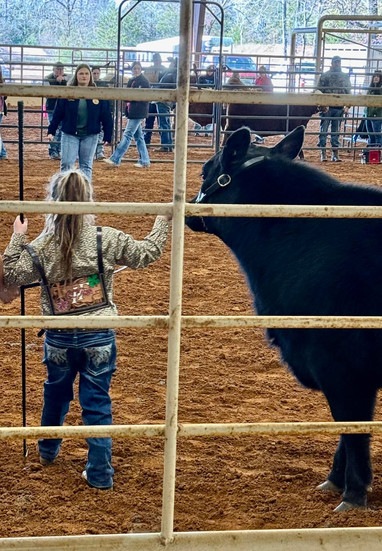
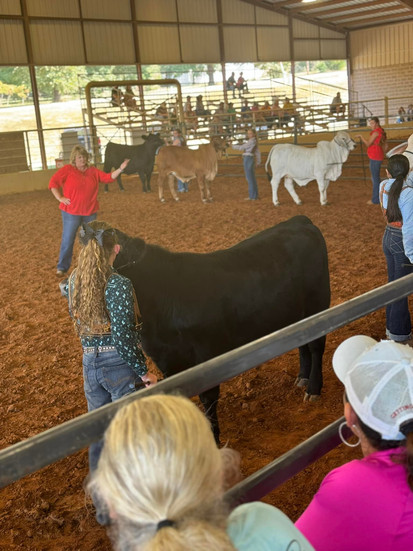
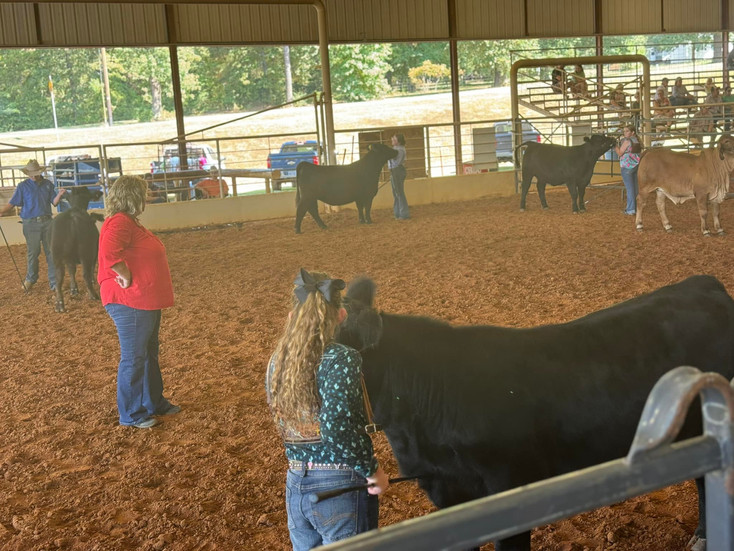
Take our family’s experience with showing Black Angus cattle, for example. This project requires so much more than feeding and watering a 1,500-pound animal. It’s about understanding the science behind nutrition, learning how to adjust a feed plan based on the animal’s needs, and recognizing the factors that influence those needs. Kids have to learn how to exercise the cattle to keep them healthy and teach them to walk on a halter, stand still for a bath or blow-drying, and remain calm during fitting (yes, even when getting a haircut!) not to mention how to stand when in the show ring in front of a judge.
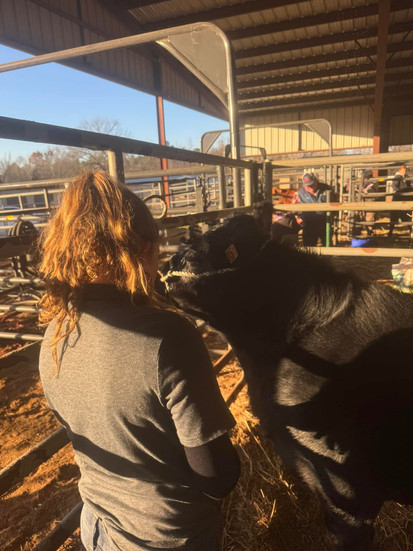
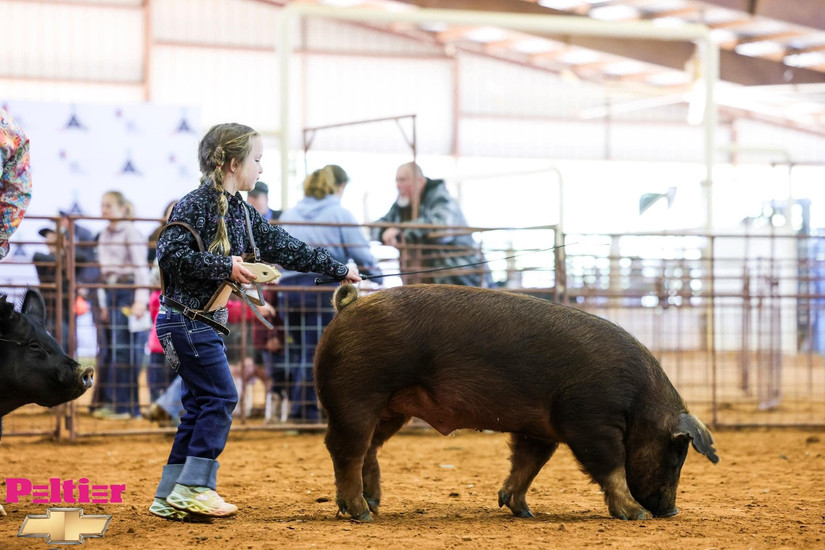
It’s not just about the animal, though. The student has to study the ancestry and genetic line of their steer or heifer, know facts about the breed, and understand the byproducts of beef cattle. They have to step into the show ring dressed to the nines, look confident, and follow the judge’s and superintendent’s instructions without hesitation. They need to position the animal to highlight its best features, ensuring the judge sees it in the best possible light.
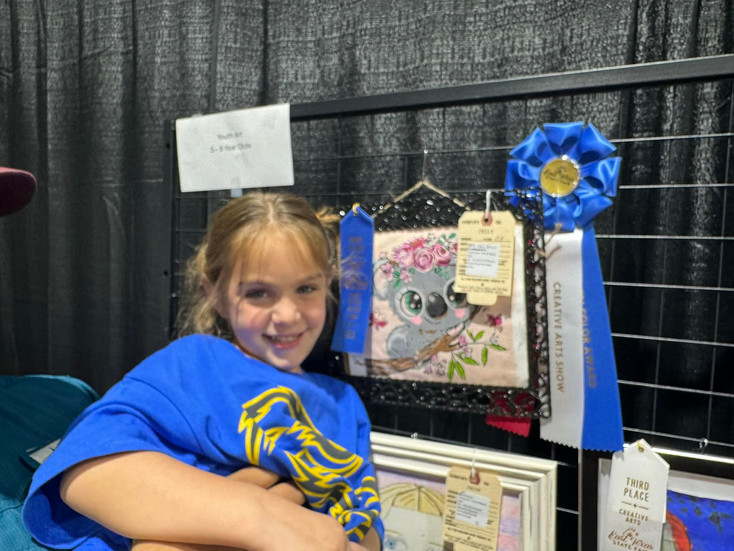
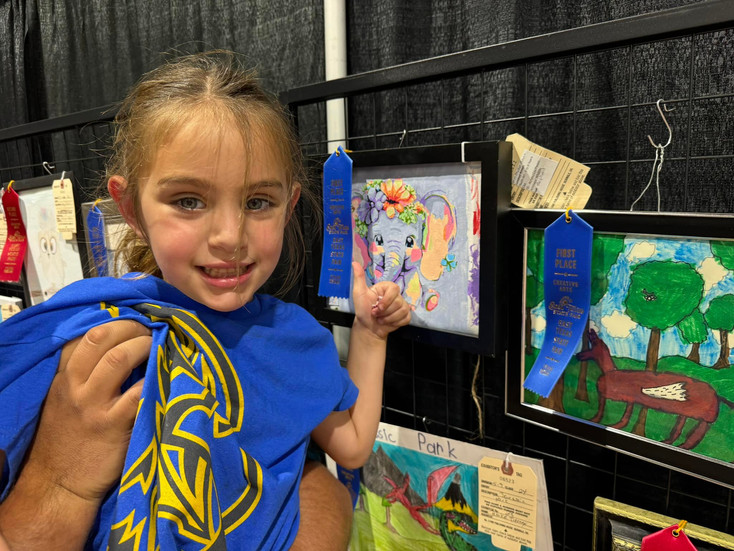
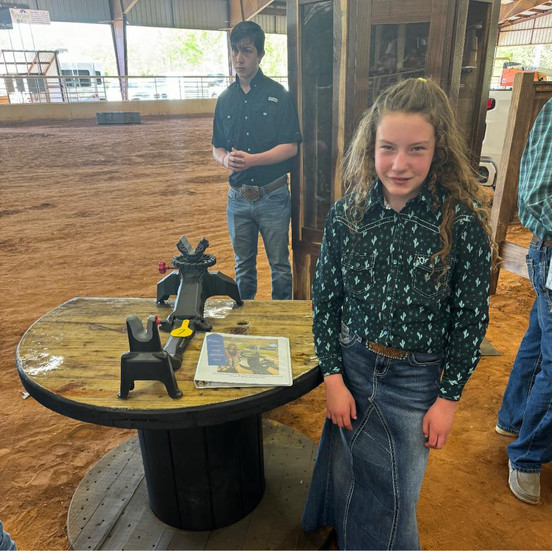
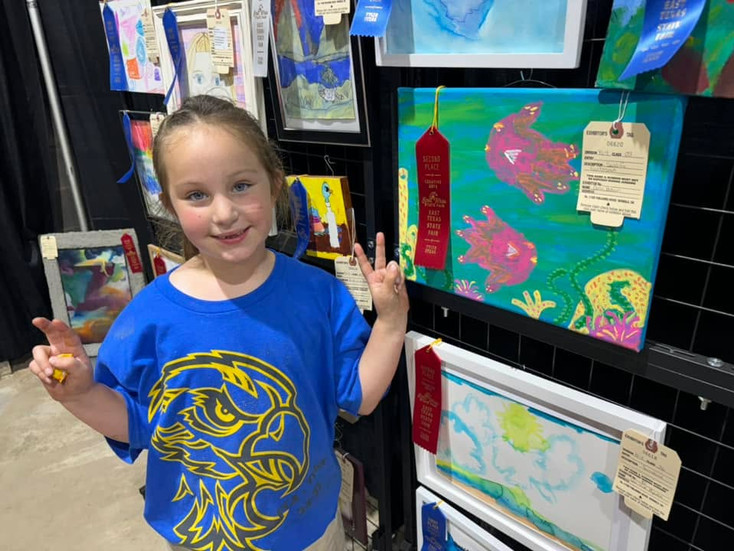
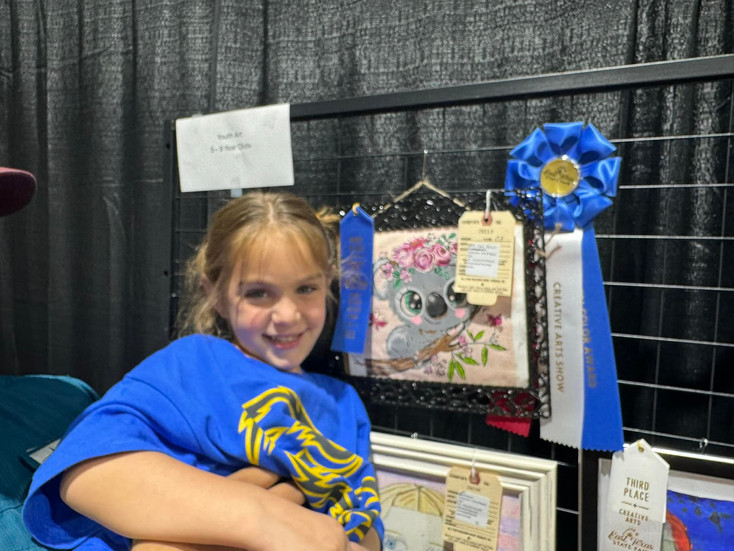
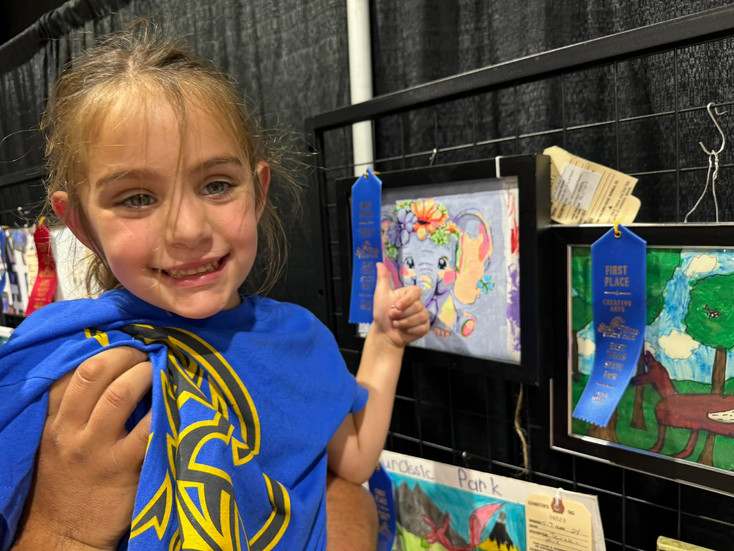
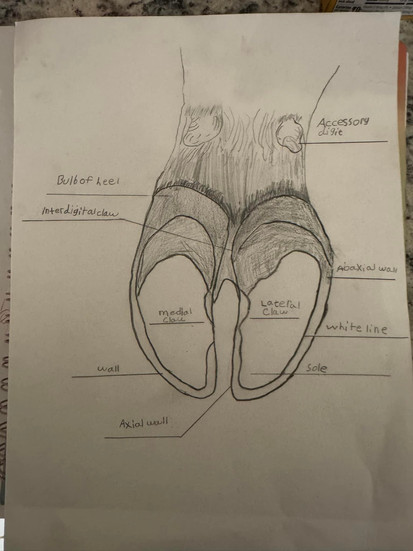
On top of all this, students must keep a meticulous record book throughout the year, tracking every expense—feed, hay, shampoo, supplements, halters, show sticks, and more. These records aren’t just for personal use; they’re part of a statewide competition, tying into other projects and teaching kids financial literacy and project management. For example, Savannah participated in the Academic Rodeo competition, which included a project on scientific drawing. She drew a cow’s hoof, complete with labels, combining her artistic skills with her knowledge of animal anatomy. This interconnected approach demonstrates how different disciplines come together in meaningful ways.
Agriculture: More Than Farming and Ranching
Agriculture is far more expansive than just farming, ranching, animals, and vegetables. It encompasses industries like oil and gas, which provide the energy that powers our world, as well as the extraction and refinement of metals and minerals, which are essential for constructing infrastructure and manufacturing goods. These interconnected sectors form the backbone of modern society, and youth agriculture organizations help kids understand the broader implications of agriculture beyond traditional definitions. By exposing them to the full scope of agriculture, we’re equipping them to appreciate its vital role in sustaining and advancing our way of life.
Addressing a Bigger Problem
The importance of youth agriculture organizations becomes even more critical when considering the bigger systemic issues we face. Quite simply, we are running out of land. More and more land is being taken out of production or cleared and turned into suburbs rather than being used for agriculture. This is a serious problem as the global population continues to grow while fewer people are involved in food production. This shift leads to a greater reliance on processed foods, which are often less healthy for our kids and contribute to long-term health issues. By engaging children in agriculture, we’re not just teaching them life skills—we’re fostering a generation that understands the importance of sustainable food production and the challenges of feeding a growing world.
A Launching Pad for Life
These experiences aren’t just about winning ribbons or trophies. They’re about teaching kids that they are capable, able, and strong. By mastering the complexities of a project like showing cattle, they gain confidence in their ability to tackle challenges in other areas of life. They learn to take pride in their work, manage their time effectively, and see the value in hard work and perseverance.
Another invaluable lesson these organizations teach is sportsmanship. Kids learn to shake their opponents’ hands after walking out of the ring and to tell the people they competed against and with, "Good job." This fosters mutual respect and camaraderie, even in competitive settings, building character that extends far beyond the show ring.
These organizations also encourage kids to think beyond their individual projects and see how everything is interconnected. For example, a student raising cattle might explore how beef byproducts are used in everyday items, or how soil health affects the quality of feed crops. This holistic understanding of agriculture helps them appreciate the bigger picture and their role in feeding and supporting the world.
Building the Next Generation
At the end of the day, our involvement in 4-H, FFA, and FCCLA is about more than agriculture. It’s about using these programs as tools to raise children who will become successful, beneficial, and constructive members of society. These organizations teach them to apply themselves, build on their knowledge, and work hard for what they believe in. They help kids see their own potential and give them the skills and confidence to reach it.
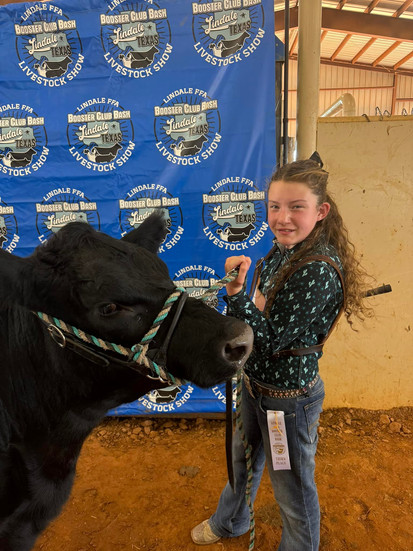
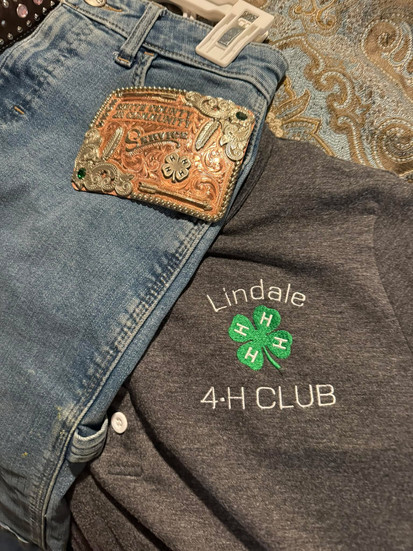
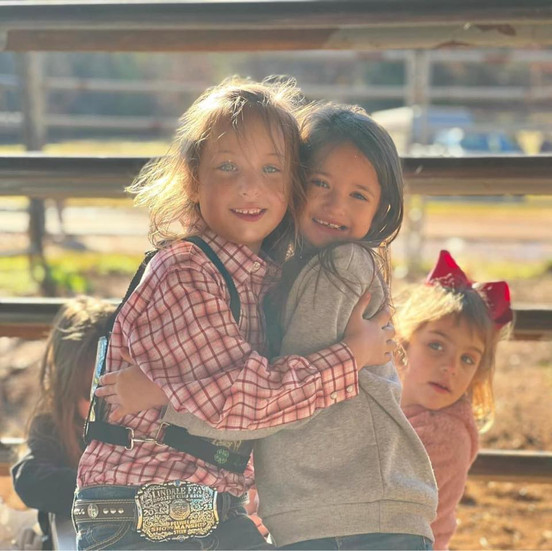
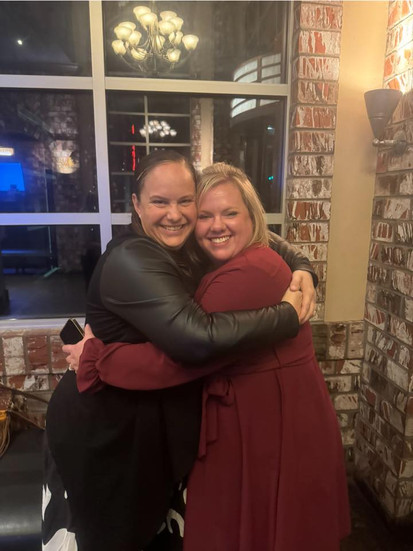
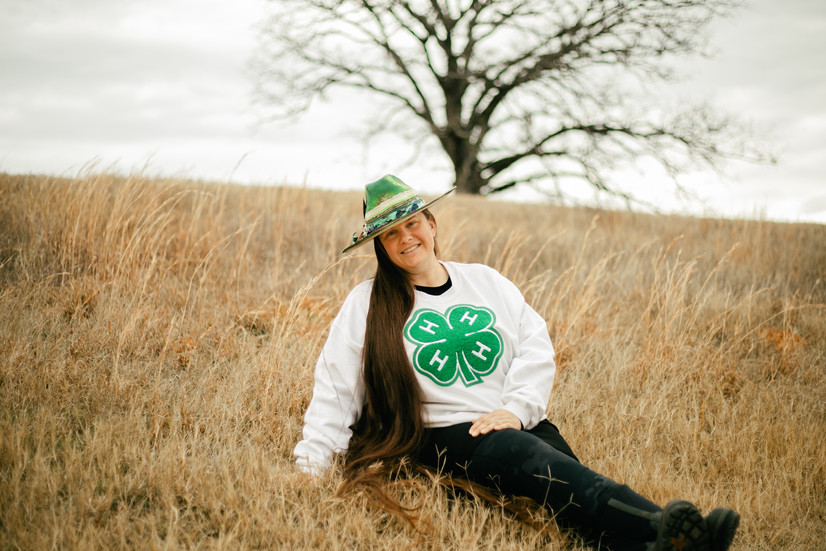
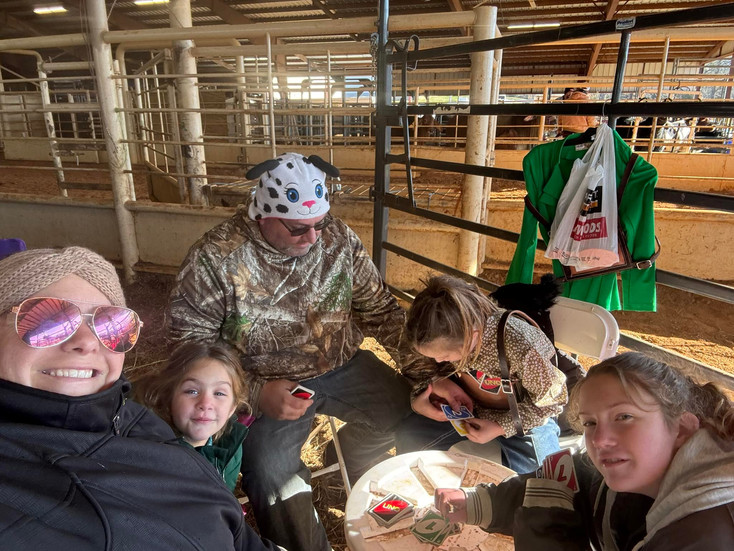
As parents, Scott and I proudly serve as parent leaders of the Lindale 4-H Club. But having these organizations isn’t enough—it takes active parent involvement to make them successful. Parents need to invest in their kids and in agriculture. When parents are engaged, they create a supportive environment where kids can thrive. Together, we’re building the next generation of leaders who will carry these values and skills into every aspect of their lives. The lessons they learn today will shape who they become tomorrow, and we couldn’t ask for a better launching pad than youth agriculture organizations.
Encouraging Parents to Get Involved
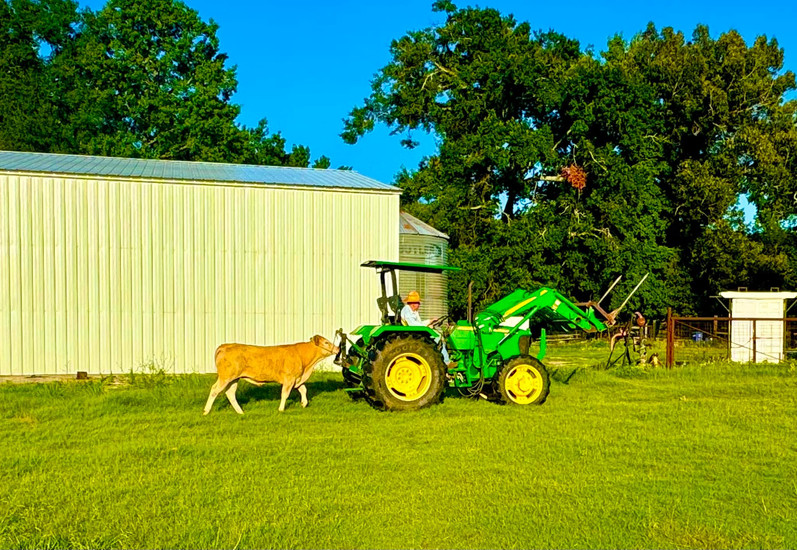
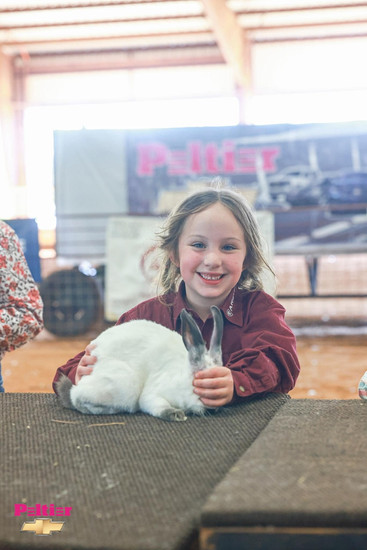
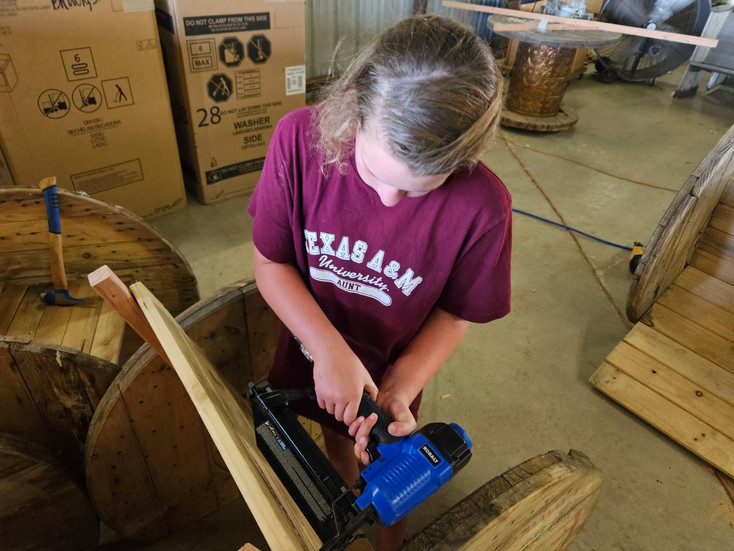
I want to encourage parents to get their kids involved in these organizations. Your child doesn’t have to take on massive animal projects like ours. Our kids are inheriting a ranch, so they don’t have a choice—we’re ensuring they know how to manage it when the time comes. But there are countless other ways to participate. Kids can explore robotics, art, food and nutrition, public speaking, photography, animal judging, writing, fashion, visual and performing arts. They can even join sports-related projects and focus on health and better living.
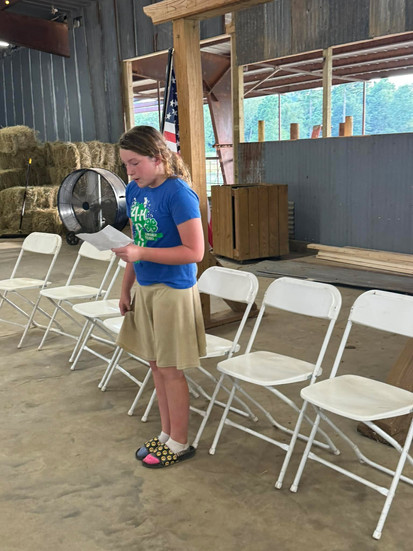
These smaller projects still teach the same invaluable skills as the larger ones. Kids learn to study their chosen topics, present themselves confidently, and connect one project to another. Whether they’re raising a steer or designing a fashion piece, they’re developing the tools they need to succeed in life. Let’s give them the opportunity to discover their potential and build a brighter future for agriculture—and for all of us.
A Personal Perspective: Faith and Agriculture
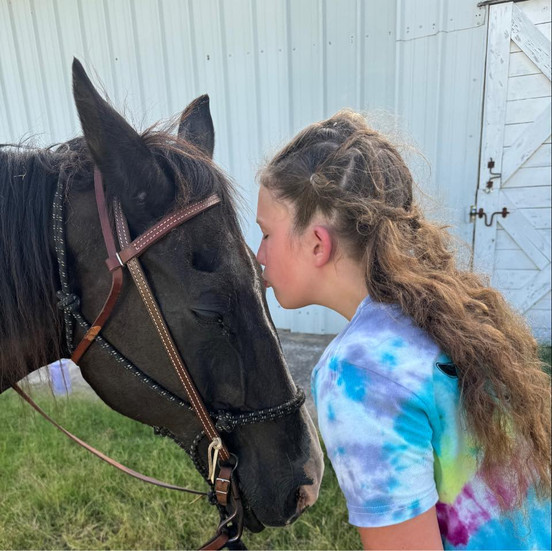
For me personally, 4-H holds such a special place in my heart. Outside of my faith and my family, agriculture is the most important thing in my life. From my Christian faith, agriculture is literally woven into the Holy Scriptures that I follow. I believe this is an industry that we cannot ignore or let be pushed aside. We are responsible for the care of the land and the animals. It was one of the first charges given to man by God, and therefore, it is an incredibly important one. By fostering a connection to agriculture in the next generation, we’re not only preserving a vital industry but also honoring a responsibility that is deeply rooted in our faith and values.















































































Comments